Mihai Tivadar
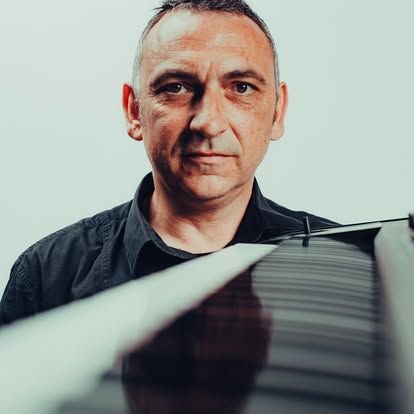
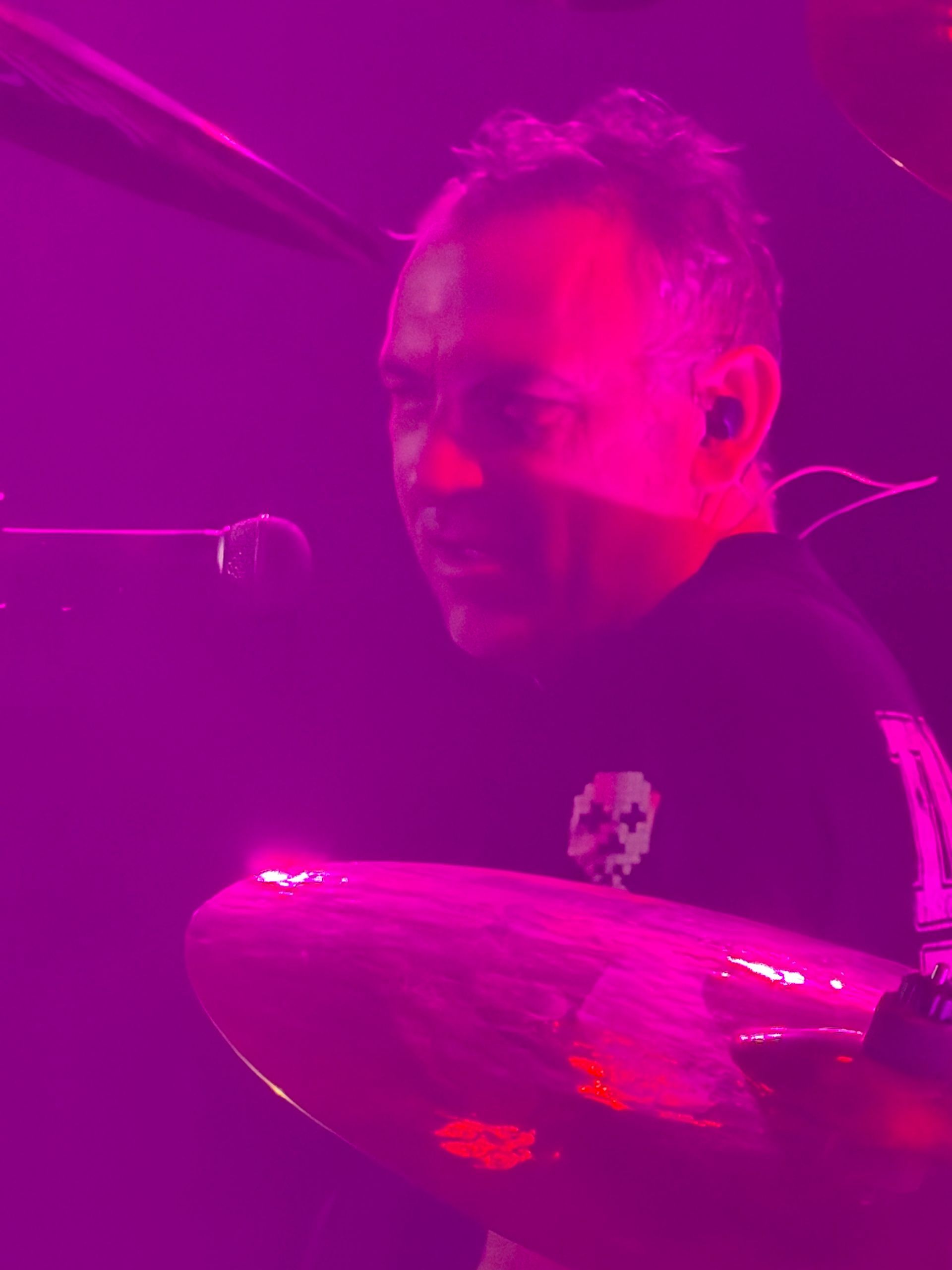
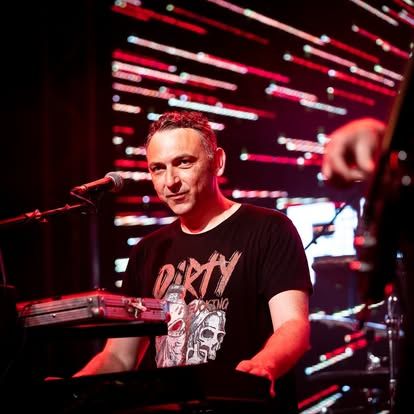
Mihai Tivadar, economist, keyboardist, guitarist, composer and the driving force behind Dirty Shirt.
I’m an absolute fan of Romanian super band Dirty Shirt. That happend by accident because my great friend Sergio Ponti is their brilliant drummer. You can read an interview with him on this website. He introduced me to them. After visiting the band in Cluj-Napoca, where they got a crowd of 750 people jumping within 5 minutes and for two hours, I was hooked. The energy and joy they bring on stage is out of this world. Dirty Shirt play, as they say, Dirty Fucking Folkcore Metal. A well oiled machine this band is for already 30 years. They would do great on festivals as Pinkpop, Lowlands, Werchter and Glastonbury. With a new album coming it was time to talk to bandleader Mihai Tivadar.
Arne: You're the bandleader and the driving force behind Dirty Shirt. How do you describe your role yourself? And first of all, why the name Dirty Shirt?
Mihai: I'll start with the name. It goes back to 1995. A few of us met at the train station in Baia Mare after high school, and we were all wearing those classic two-tone 90s shirts. They were pretty dirty! So we said, "Okay, we are Dirty Shirt." It was a statement and a symbol of our generation.
As for how I’d describe myself? Someone very active who just loves doing a lot of different things.
Arne: You're not exclusively a musician—you're also a scientific researcher. Many musicians balance their passion with other jobs or studies. What is your daily life like when you're not working on music?
Mihai: My main job is as a researcher at INRAE, a French research institute focused on environment and agriculture. I'm an economist, specifically working in urban economics on issues like social segregation and environmental inequality. I love both sides of my life: the research and the music. Ever since I was a kid, I was torn between pursuing a career in science or music. Eventually, I decided not to choose, so I do both and try to balance them as best as I can. Some years I reduce my research hours to 80% or 90% to give more time to the band.
A typical day? I usually wake up very early to work on band stuff first, then spend time with my family, head to my research job, and get back to the family in the evening and eventually continuing with the music late in the night.
Arne: That must take an incredible amount of energy! Especially given how energetic your stage performances are, combined with all the traveling...
Mihai: Absolutely. I probably travel the most out of anyone in the band. Since I live in France and everyone else is in Romania—where a large portion of our shows still take place—I’m constantly on planes. It costs me a lot of extra time off around tours.
Arne: Dirty Shirt has been around for 30 years now. Drummer Sergio Ponti mentioned that it operates like a well-oiled machine, with every member having specific responsibilities. Can you explain how that setup works?
Mihai: It’s less like a commercial company and more like an organization or NGO—which is actually our official legal status. We are a big collective: over 20 musicians are involved in the project overall because we don't always perform with the exact same lineup. Add the technical crew, management and staff and it’s a lot of people. We have to stay organized; otherwise, it would be complete chaos. Right now, it's... organized chaos!
We do almost everything DIY. I handle management, project planning, and song composition. Cristi and Dan handle video production, Robi does accounting, Rini takes care of merchandise, Cosmin and Alexa help me with social media, Sergio with the site and Palli handles vehicle logistics. Almost everyone has a dedicated job in the band.
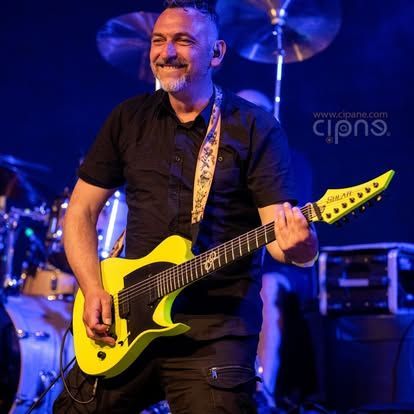
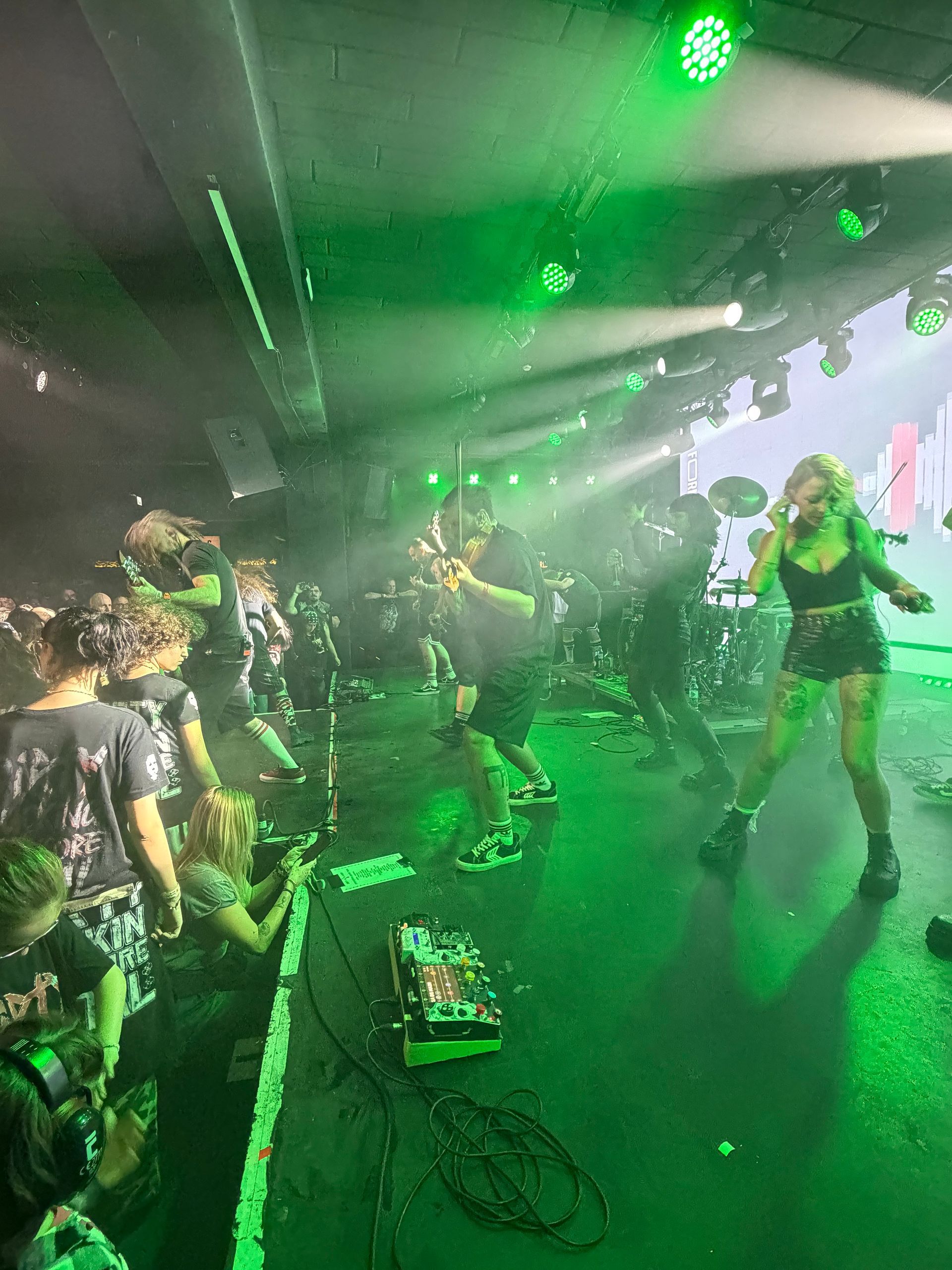
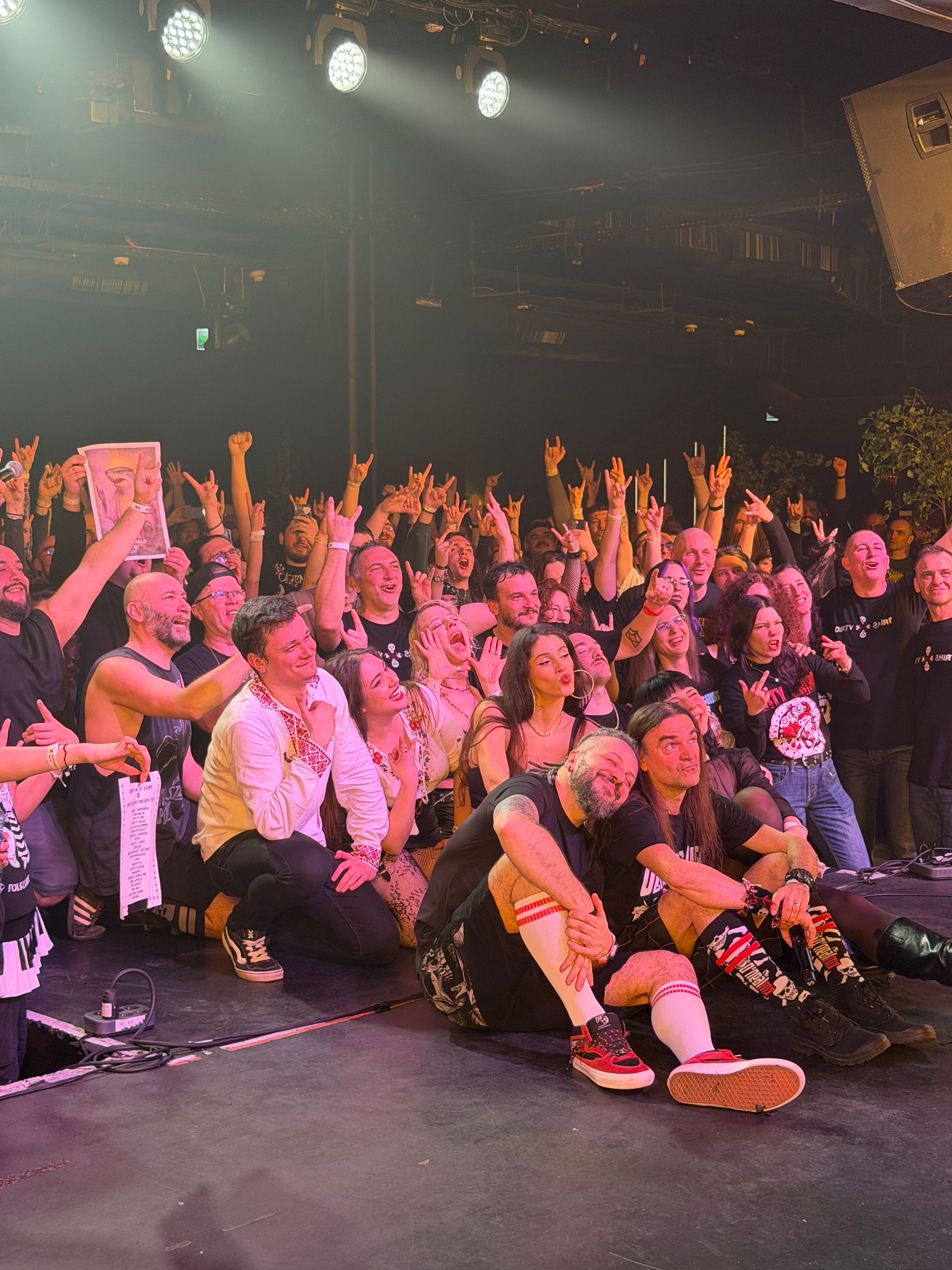
Arne: It's impressive how organized such a large collective is. The core lineup on stage is 8 people, but I've seen up to 13 or 14, including a fantastic flute player. How do you decide the stage lineup for a show? Is it based on stage size and budget?
Mihai: Exactly. We adjust the lineup based on three main factors:
1. Stage size: If the stage is too small, we simply can't fit everyone, no matter the budget or how much we want to.
2. Logistics: Everything has to be practical in terms of travel and accommodation.
3. Finances: Bringing the full ensemble costs significantly more in terms of transport, lodging, meals, and fees.
Arne: Still, the enthusiasm from everyone involved is amazing. When I was in Cluj, I spoke with Miruna, one of the backing singers, and she was so passionate about her work with the band.
Mihai: Definitely! Even the non-core members play dozens of shows a year, so it's a great experience for everyone. Another important factor is that apart from the vocalists, almost every position has a backup member because we all have day jobs. If our bassist Palli can't make a show, Paul can cover for him. If I can't attend, my keyboard parts are routed through samplers. If a guitarist is missing, we have a backup third guitarist, Alex. And if two guitarists are out, I can play guitar on stage while triggering keys via samplers. It’s a dynamic, rotating collective. The core stays 80% the same, but we adapt around it.
Arne: How do you manage rehearsals when everyone is spread out across different cities and countries?
Mihai: It is tricky since we're scattered across Romania and France. Usually, we do intensive rehearsal blocks right before a new tour. After that, we play so frequently—over 40 to 50 shows a year—that we don't need regular rehearsals between dates. At the end of a touring cycle, we take 3 months off to focus on rehearsing for the next album and tour.
Arne: You play both keyboards and guitar in the band. Do you have a favorite?
Mihai: Keyboards, without a doubt. I'm a pianist at heart—I started at age seven and have a classical background. On some songs, keyboards aren't as prominent, but having a third guitar in the mix adds extra punch, so I'll play guitar for those parts. But if I really had to, I can play an entire set on rhythm guitar.
Arne: What kind of setup do you use on stage these days?
Mihai: I keep it very minimalist now. I used to haul around a massive Korg Triton that weighed 25 kg on its own—50 kg with the flight case! Now I use a compact Korg keyboard for natural acoustic sounds like piano, strings, and accordion. All the synthetic and electronic sounds are sampled and triggered using a sample pad. Simple and efficient!
Arne: You're currently working on a new album. What can fans expect?
Mihai: We're putting the finishing touches on Balkansylvania Vol 1: Roots. Eight songs are complete, and two are still in progress. It's the first part of a double album. The first ten tracks will be released digitally first because we want to hold the physical release for when the full double album is complete. Volume 2: Routes will follow a year later.
We've already released two singles: FOMO and Büntetö, which was a collaboration with the Hungarian gypsy folk band Besh o droM. The next single is called A Brighter Day, that will be released on 16th Octobre, and it features Ian Anderson from Jethro Tull. That’s a massive guest appearance for us!
Arne: Wow, Ian Anderson! I'm actually going to see him perform live soon.
Mihai: That’s fantastic! The album is packed with guest artists from all over the world. For example, we feature French brass players: saxophonist Mihai Pervan and trumpeter Nizar Ali, who both play with the famous trumpeter Ibrahim Maalouf. On trombone, we have Gregor (Helenine Oci) from Slovakia. It's a truly international lineup.
Arne: Do you write all the music yourself, or is it a collaborative effort?
Mihai: I'm the primary songwriter. I compose the core ideas and made the demos at home, then send them to the rest of the band. They build on them and bring their own ideas to the table. I'm very open to collaboration, so the songs grow into something much bigger than what I originally envisioned.
What’s different this time is that the brass section plays a much bigger role. Previously, our East European influences relied mostly on the violin, typical to Romania. But after touring with bands that feature strong brass sections, we wanted to explore that sound more. The album also features more variety overall, including two more progressive and atmospheric tracks that call back to the band's early roots.
Arne: And then you'll hit the road again?
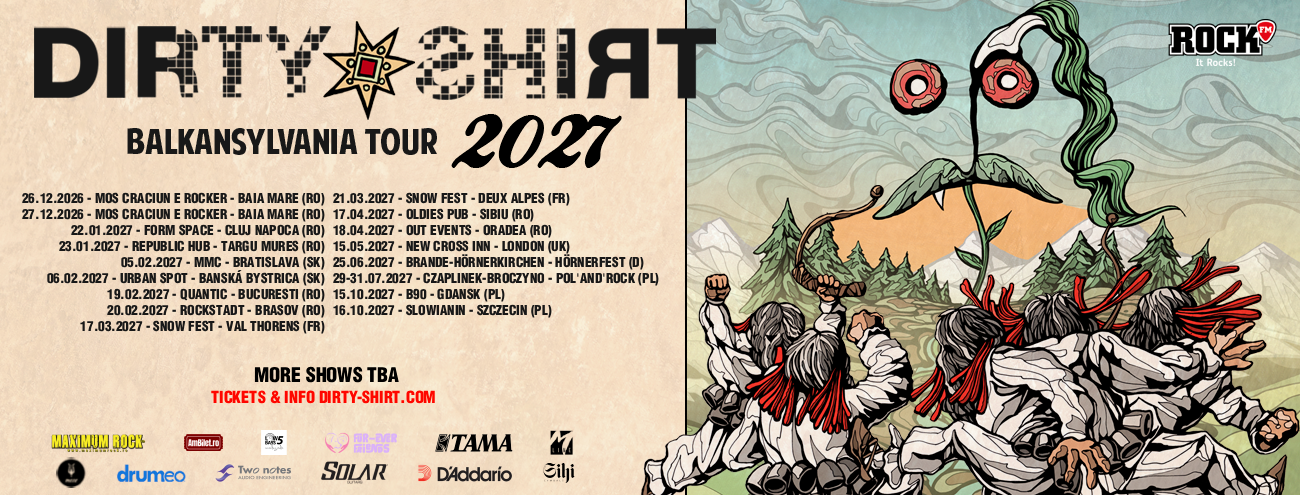
Mihai: Yes! The first leg of the tour will cover at least six countries: Romania, Slovakia, Poland, Germany, France, and the UK. In England, we're playing the New Cross Inn in London—it's been about three years since we last played there. On the festival front, we're returning to Germany and playing the Main Stage at PolandRock Festival, which will probably be the biggest show of our lives!
Arne: That sounds incredible. Looking ahead, where would you like Dirty Shirt to be in five years?
Mihai: Still on stage! Everything that has happened with Dirty Shirt over the past decade feels like a bonus to us. We never expected to reach this level. Every year gets better—bigger crowds, better shows, and higher production quality. We just hope to keep that momentum going.
Arne: To wrap up, a couple of fun questions I always like to ask. If you could choose any artist, dead or alive, to grab a cup of coffee with or collaborate with in the studio, who would it be?
Mihai: There are so many! I'd love to hang out with the guys from Tool, System of a Down, Faith No More, Korn, NIN or Bring Me The Horizon. The list goes on!
Arne: What’s the strangest or funniest thing that’s ever happened to you on stage or in the studio?
Mihai: We've had plenty of wild moments, but the last time I attempted a stage dive was a complete disaster. I misjudged it, missed half the crowd, and hit someone with my foot [laughs]. I'd gained a few extra kilos over the years, and the crowd density just wasn't enough to hold me up! That was the last time I ever tried stage diving.
Arne: And finally: what hidden gem—be it an underrated band, movie, or book—do you think my readers need to check out?
Mihai: On the book side, the Helliconia sci-fi trilogy by Brian Aldiss (Helliconia Spring, Helliconia Summer, and Helliconia Winter). It's a brilliant series.
Arne: Great recommendation. Mihai, thank you so much for taking the time to talk!
Mihai: Thank you, Arne! It was a real pleasure. See you soon!